
31 August 2026Autodate SmartFleet
Why Fleet Efficiency Is the Foundation of Sustainable Business Operations
Fleet efficiency helps businesses reduce operational waste, improve resource utilization, and build more sustainable, resilient operations through smarter data-driven decisions.
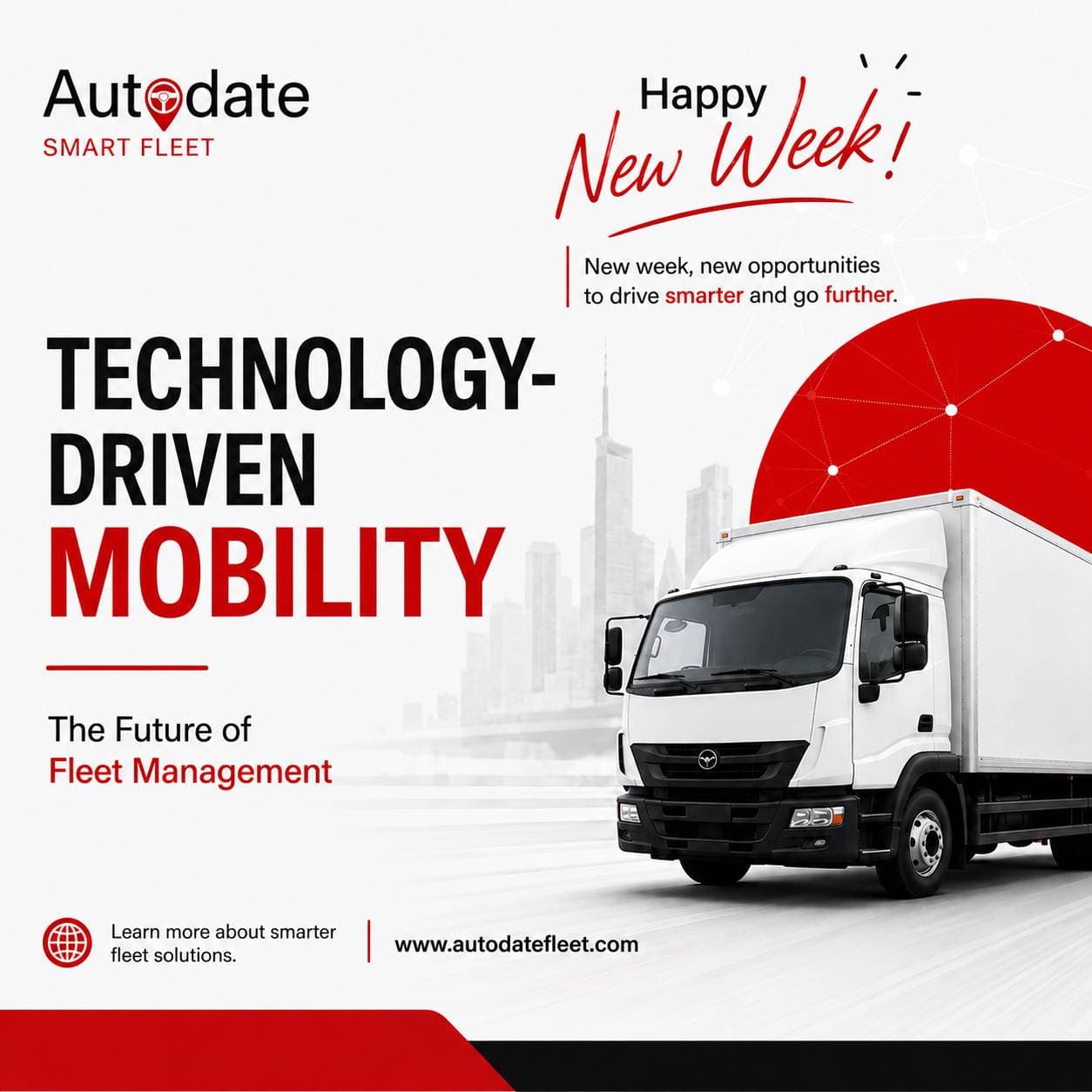
For businesses that rely on vehicles to move people, products, or services, fleet performance has a direct impact on operational costs, productivity, and sustainability. A fleet that consumes unnecessary fuel, spends too much time idle, or experiences frequent breakdowns creates waste that extends far beyond the vehicle itself.
This is why fleet efficiency is becoming an important foundation for sustainable business operations.
What Is Fleet Efficiency?
Fleet efficiency is the ability to get the maximum operational value from a fleet while using the fewest necessary resources. It involves optimizing fuel consumption, vehicle utilization, routing, maintenance, driver behaviour, and overall fleet performance.
An efficient fleet is not simply one that has fewer vehicles. It is one where every vehicle is being used effectively, maintained properly, and supported by data-driven decisions.
Reducing Operational Waste
One of the biggest benefits of improving fleet efficiency is reducing operational waste.
Unnecessary idling, inefficient routes, excessive mileage, poor vehicle utilization, and unplanned maintenance can all increase operating costs. When these inefficiencies occur across a large fleet, their impact can become significant.
With fleet management technology, businesses can monitor vehicle activity, identify inefficiencies, and make informed decisions about how vehicles are being used.
The result is a fleet that does more with less.
Efficiency and Sustainable Operations
Sustainability is not only about adopting new technologies or changing vehicle types. It is also about improving the way existing resources are managed.
Better fuel efficiency can reduce unnecessary fuel consumption. Smarter route planning can reduce avoidable mileage. Proactive maintenance can help vehicles remain reliable and productive for longer. Improved utilization can ensure that businesses are getting more value from the vehicles they already operate.
These improvements can contribute to both environmental and economic objectives.
The Role of Technology
Technology is making it easier for fleet managers to measure and improve performance.
Solutions such as GPS fleet tracking, telematics, route optimization, vehicle monitoring, and fleet analytics provide visibility into everyday operations. Managers can use this information to identify patterns, track performance indicators, and respond to inefficiencies before they become larger problems.
This shift from reactive to data-driven fleet management can make sustainability part of everyday operational decision-making.
Building a More Resilient Business
An efficient fleet can also strengthen business resilience.
Lower operating costs, improved vehicle availability, better maintenance planning, and more predictable operations can help businesses respond more effectively to changing demands.
Ultimately, sustainable fleet management is about creating an operation that is efficient today while being better prepared for tomorrow.
Conclusion
Fleet efficiency is more than a transportation objective. It is a business strategy.
By reducing waste, improving resource utilization, adopting smart fleet technology, and making decisions based on reliable data, businesses can improve operational performance while advancing their sustainability goals.
A more efficient fleet creates a more efficient business—and sustainable operations start with using resources smarter.